


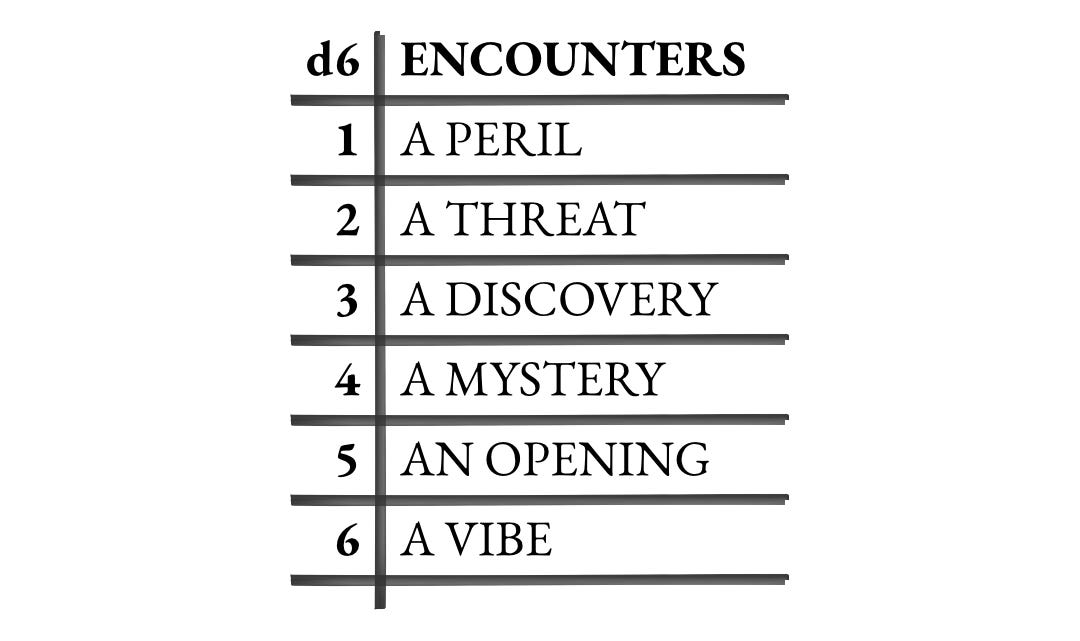
This article features affiliate links, which incur no cost to you.Remember the Encounter Table Upgrade? It was this template for d6 encounter tables that can be applied to pretty much anything.
And then we also had encounter tables with encounter sequences.
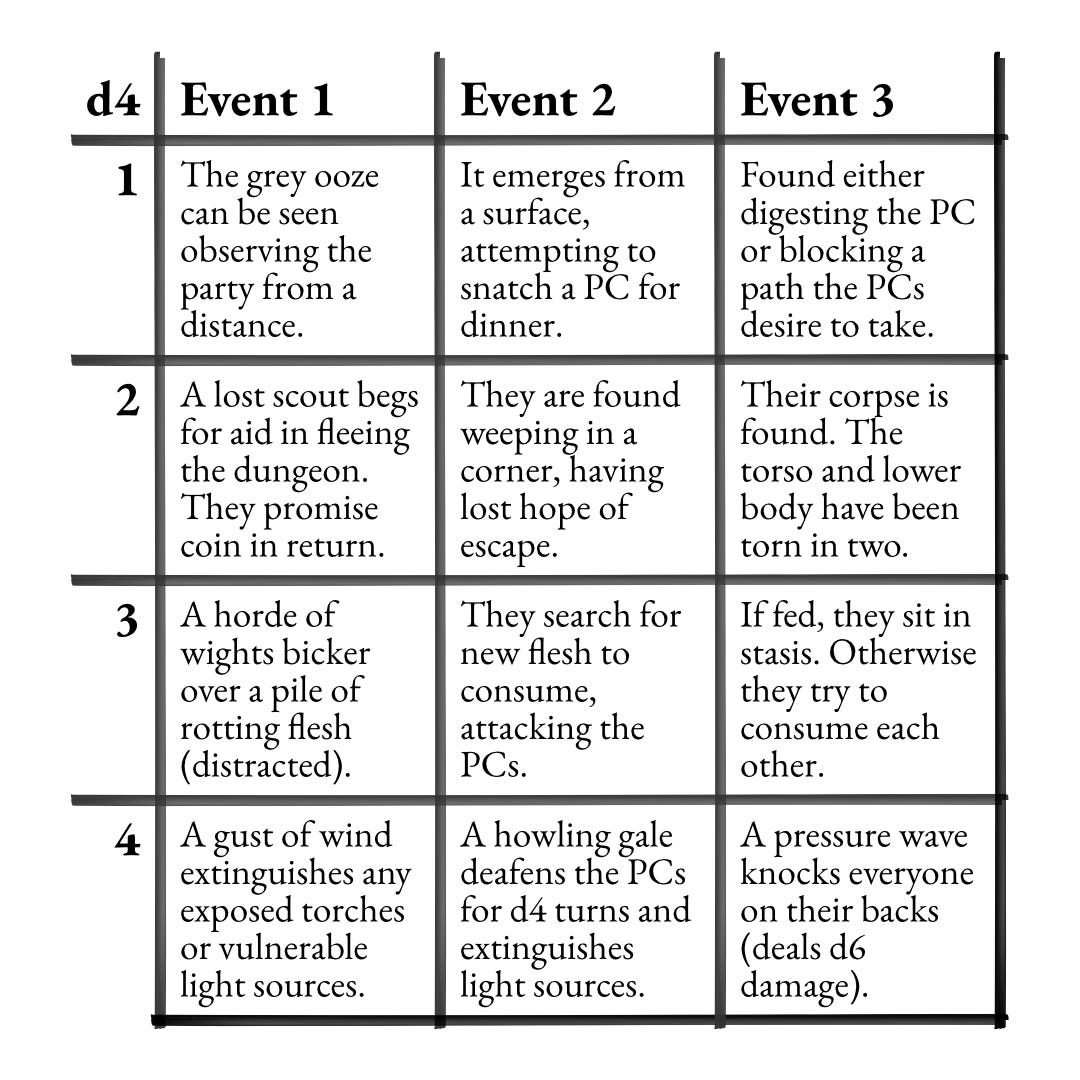
Something I didn’t talk about was how to ‘prompt’ these sequences of events and how to ensure you’re getting variety in.
Well it’s pretty easy, we can use the encounter table template!
Process
Say we have a table with 3 event columns like above. When we go to fill a row, we roll 3d6 to give us a prompt on the d6 encounter table template for each event.
So if we rolled ~grabs dice~ 6-2-5, that gives us a sequence of vibe, threat, opening.
If we start with a subject, like a dire wolf, we can use this template to guide us.
Event 1 (vibe): A distant wolf howl.
Event 2 (threat): The dire wolf threatens to attack the PCs if they attempt to pass.
Event 3 (opening): The dire wolf is found wounded (half HP).
It’s that easy! This gives us a spread of variety through our sequences.
Inkvein example
My megadungeon Inkvein uses these encounter sequences in most regions, and I’ve been using this technique when I need a helping hand. Take a look at this sequence from the Old Mines encounter table (pre-edit):

For this sequence I rolled Opportunity - Threat - Opportunity. We can see in the first encounter there’s an opportunity to get paid by the mercenaries, but the mercenaries also inadvertently give PCs some information that they can act on.
The second encounter is a potential threat. The mercs are frustrated at this point, and there is a possibility of violent confrontation if they think the PCs might have what they are looking for. For the third encounter we circle back to opportunity, where the mercenaries will pay for PCs to help them shift contraband.

Use with other systems
I wanted to point out how well this approach can be twinned with ttrpgs where there’s GM guidance or frameworks for producing sequences of events that you would deploy in a game.
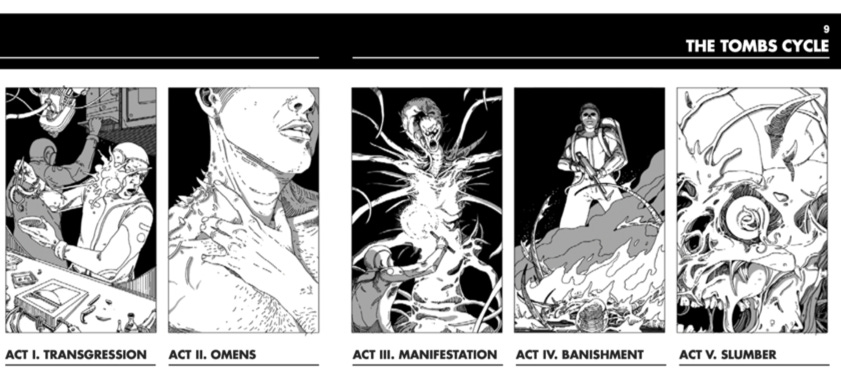
Sean McCoy’s Warden’s Operations Manual employs the TOMBS framework. You can use this as a framework for not only your adventure structure as the book suggests but for encounters sequences within tables like these. You can also remix the TOMBS sequence to provide some variation.
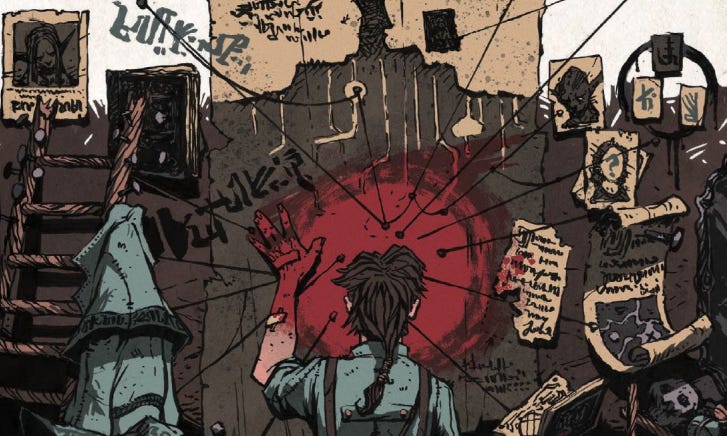
Heart has your players literally tell you what they want to happen to their character. You can couple these goals with an encounter sequence table like this to have related plots and events spinning through their air on their descent into oblivion.
Wrap up
This makes building encounter sequences easier than ever. If you aren’t using them in your game already, get to it! And to get your hands on a product that utilises loads of these sequences, be sure to follow Inkvein.
This is a really neat method, and one I intend to explore fully - I've been needing to make some good encounters for some oneshots I've been designing!
How do you come up with the subjects, and do you just leave the d6 table as is (peril, threat, etc.) or customize each table by a subject?